






Two kinds of neurodivergent relationship
Whichever kind of neurodivergent relationship you're in
“Neurodivergent couples therapy” can mean two quite different things, and both are welcome here.
Mixed-neurotype relationships
One partner is neurodivergent, one isn't, and the gap between how you each communicate, process, or need intimacy to work has become the friction point.
Both neurodivergent
Two different neurodivergent operating systems (not necessarily the same one) trying to mesh, where advice built for neurotypical couples just doesn't map.
What we can work through
The patterns that bring couples in
- Communication style clashes: direct vs. indirect, literal vs. inferred
- Differing intimacy and sensory needs between partners
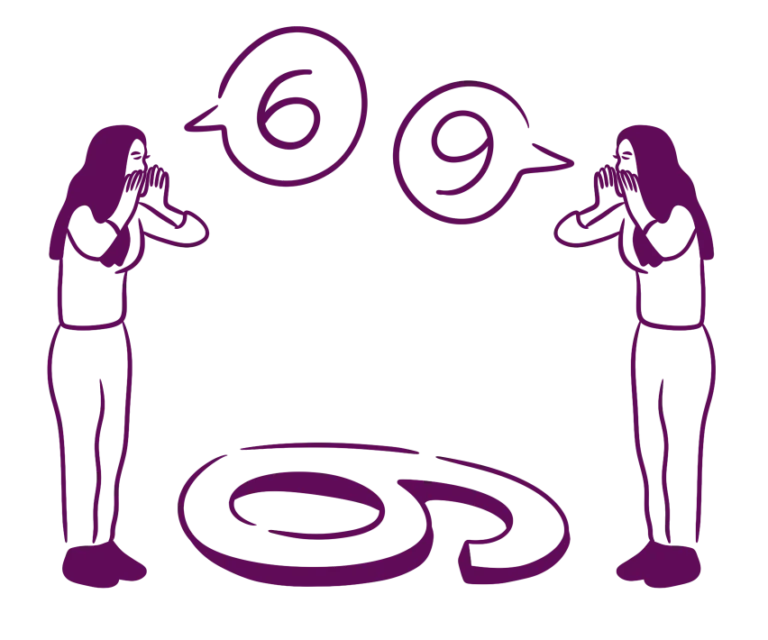
- The double empathy problem - why misunderstandings aren't about one partner "not trying"
- Emotional disconnection and repair after conflict
- Rejection sensitivity in relationship conflict
- Building a shared language for needs neither of you was taught to name
Worth understanding
The double empathy problem, briefly
You might have heard neurodivergent people described as having “poor social skills” — the double empathy problem reframes that: misunderstanding often runs both ways between different neurotypes, not one-directionally from a neurodivergent partner. In session, that reframe alone often changes how a couple talks about their conflict.
Getting started
Sessions, in person or online
Sessions run online across the UK, or in person in Brighton, whichever suits you better. Most people start with a free initial consultation, a low pressure way to ask questions and get a feel for whether we’re a good fit before committing to ongoing therapy.
Frequently Asked Questions
Do I need a diagnosis to book?
No formal diagnosis is required for autism, ADHD or AuDHD – self-identified neurodivergence is entirely valid here. And I totally understand just how long and inaccessible those waitlists are.
Do both partners need to be neurodivergent to come?
No, mixed-neurotype couples (only one partner neurodivergent) are just as welcome as both-neurodivergent couples.
What if we're not sure our issues are "neurodivergent enough" to bring here?
There’s no bar to meet, if neurodivergence (diagnosed, self-identified, or suspected) is part of the picture, it’s relevant.
Can we also work on our sex life specifically, not just communication?
Yes, this sits alongside the sex-specific Neurodivergent Sex Therapy work; couples sessions can cover both.
Not quite ready for Sex & Relationship Therapy?
I have created an in-depth online course that you can complete in your own time on neurodivergence and intimacy. Easy to follow and recorded like a podcast, so you don't have to read lots.